How to Coordinate Event Suppliers Without Delays

A marquee arrives before the site is cleared. Catering needs power before the electrician is booked. The stage is in place, but access for delivery vehicles has been blocked by fencing. These are the small gaps that can quickly turn event day into a costly scramble. Knowing how to coordinate event suppliers comes down to giving every provider the same clear plan, the right information and a realistic order of work.
For a private party, that may mean coordinating furniture, catering and lighting. For a festival, school fete, corporate function or public event, it can involve staging, tiered seating, marquees, flooring, mobile kitchens, temporary fencing, security, waste services and council requirements. The scale changes, but the process does not: establish one source of truth, confirm responsibilities early and manage site access carefully.
Start with the event infrastructure plan
Before calling suppliers, define what the event needs to operate safely and comfortably. Start with the guest numbers, venue or site dimensions, event timing, weather exposure and access points. Then map the essential infrastructure around those facts.
A useful site plan shows entrances, emergency exits, vehicle gates, pedestrian routes, power locations, water access, food service areas, amenities, seating, stages and storage zones. It does not need to be a polished design at the beginning, but it must be accurate enough for suppliers to identify practical issues before delivery day.
For example, a marquee supplier needs to know whether the surface is grass, concrete or asphalt, and whether underground services restrict pegging. A staging provider needs performance area dimensions, audience capacity and loading access. Caterers need their workspace, power requirements, water access and a clear route for bringing stock in and out. If these details are still uncertain, say so. Assumptions are more difficult to fix than open questions.
For public events, also account for crowd flow. Ticketing or entry queues, accessible pathways, first aid, security positions and evacuation routes should not be squeezed into leftover space once equipment has been placed.
Build a supplier schedule that works on site
The run sheet is the operational document that keeps suppliers aligned. It should cover far more than the event start and finish times. Include bump-in windows, delivery locations, site contacts, setup deadlines, testing times, supplier collection windows and pack-down requirements.
The key is sequencing. Some suppliers cannot begin until another has completed their work. Flooring may need to be installed before furniture. A marquee should be erected before lighting, styling or table placement. Power distribution needs to be available before caterers, audiovisual crews and vendors can test their equipment. Fencing and gates may need to wait until large delivery vehicles have finished accessing the site.
Allow adequate time between each step. A schedule that works perfectly on paper can fail when a truck arrives late, wet weather slows installation or a venue has limited loading access. Build sensible contingency into the bump-in period, particularly for large structures, public events and sites with shared access.
Give every supplier the same essential details
Suppliers should not be working from different versions of the plan. Send a current event brief to everyone involved and update it whenever access, timing, layout or site conditions change. At a minimum, each supplier should receive:
- event date, site address and operational times
- a site plan with delivery and vehicle access points
- their exact equipment or service scope
- bump-in, testing and pack-down times
- the on-site contact name and mobile number
- safety, venue or council requirements relevant to their work
A supplier contact list is equally useful. Make it clear who can approve changes, who manages the site and who should be called if access is delayed. On larger events, appoint one operations contact rather than asking every provider to call the event organiser directly.
Confirm responsibilities before bump-in
Equipment hire and event services often overlap, which is where confusion can occur. One provider may deliver tables and chairs, another may place them, while a venue team handles cleaning and pack-down. Unless this is agreed in writing, each party may assume someone else is completing the task.
Be specific about delivery, installation, connection, operation, cleaning, collection and rubbish removal. Confirm who supplies extension leads, cable covers, weights, generators, water connections and any required safety equipment. If items need to be moved during the event, nominate who has authority to do so.
This is especially important where weather is a factor. If a forecast changes, who decides whether umbrellas are sufficient, extra flooring is required or an outdoor ceremony needs to move under cover? A contingency plan is not a guarantee that nothing will change. It gives the team a pre-agreed response when conditions do change.
Insurance, permits and compliance requirements should also be addressed early. Depending on the event, you may need public liability documentation, electrical test and tag records, food approvals, traffic management, noise controls or permits for structures and public land. Ask for the paperwork well before event week, not when suppliers are already arriving on site.
Manage site access like a limited resource
Most delivery issues are access issues. A supplier may have the correct equipment and crew, but still lose valuable time if they cannot get a truck near the setup area, reverse safely, unload without obstruction or leave the site once their work is done.
Walk the site before finalising the plan where possible. Check gate widths, turning circles, overhead branches, uneven ground, loading dock rules, lift dimensions and vehicle height restrictions. Consider whether a large truck can access the site or whether equipment needs to be transferred to smaller vehicles, trolleys or a ute.
Stagger deliveries where access is tight. Giving every supplier an 8.00 am arrival time creates a queue, not a schedule. Allocate arrival windows and keep the access route clear until large equipment has been unloaded. If parking is limited, set aside a designated supplier area and tell crews where they can wait without blocking guests, neighbours or emergency access.
For multi-day events, secure the site between setup stages and record what has been delivered. This helps prevent hired items being moved, damaged or mistaken for another supplier’s stock.
Hold a practical pre-event check-in
A short operations meeting or call in the week before the event can prevent a long list of event-day calls. Bring together the key decision-makers and suppliers whose work affects everyone else, such as hire, catering, audiovisual, venue, security and event management teams.
Work through the schedule in order: first vehicle on site, structures and infrastructure, power, equipment placement, final styling or signage, safety checks, guest arrival, event operation and pack-down. Ask each supplier what they need from the team before they can start. This often identifies missing details, such as a locked gate, unavailable power point or unavailable loading dock.
Reconfirm the weather plan and communication method. A group message can be useful for simple updates, but it should not replace a clear chain of command. Decisions about safety, access and event changes need to come from the nominated event lead.
Use one provider where it genuinely reduces risk
Coordinating separate specialist suppliers can be the right choice when an event has highly technical requirements or an established venue supply chain. However, every extra provider adds another delivery window, contact point and handover. For many events, sourcing major infrastructure through one experienced hire and event support provider reduces those handovers.
Central Coast Party Hire can coordinate core event infrastructure such as marquees, staging, flooring, seating, tables, chairs, lighting, screens, mobile kitchen units, fencing and operational support. That gives organisers a clearer line of responsibility across the equipment that shapes the site layout and bump-in sequence.
The goal is not to use fewer suppliers at any cost. It is to use the right number of suppliers, with clearly defined roles and enough time to do the job properly.
Keep control on event day
Have the latest site plan, run sheet, supplier contacts and key approvals available in one place. As crews arrive, check them in, direct them to their allocated area and confirm any changes before work begins. Record problems as they occur, including damaged equipment, delayed arrivals or layout changes, so they can be managed rather than remembered later.
Avoid making last-minute changes to layouts once safety checks, power connections or crowd barriers are in place. If a change is necessary, assess its effect on access, capacity, emergency routes and other suppliers before approving it.
A well-coordinated event does not rely on chasing trucks, answering repeated questions or hoping each supplier has guessed the same plan. It gives capable people the information, access and authority they need to deliver their part properly – leaving you free to focus on the guests and the event itself.
How to Choose Event Staging for Your Event
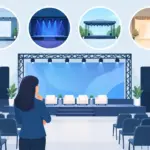
A stage can make a speaker visible, give performers a defined space and turn an open paddock, hall or car park into a functioning event site. Get it wrong, however, and it can create sightline problems, unsafe access, delays during bump-in and a programme that simply does not work. Knowing how to choose event staging starts with the job the stage needs to do, not the biggest platform available.
For a school presentation, a small raised platform may be enough. A council event with live music, speeches and changing acts needs a larger, more carefully planned staging system with stairs, handrails, weather protection and room for technicians. The right choice is practical, safe and proportionate to the event.
Start with the purpose of the stage
Before considering dimensions, define what will happen on the stage from the first item to the last. A keynote presenter using a lectern has very different requirements from a five-piece band, dance school showcase or awards night. Think about the people, equipment and movement involved at each point in the run sheet.
A presentation stage needs clear access, adequate space for a lectern or screen position, and enough height for the audience to see the speaker. A performance stage needs room for instruments, monitors, microphones, performers entering and leaving, and crew working safely around cables. If several acts are scheduled, allow space for efficient changeovers rather than designing only for the headline act.
Also consider whether the stage is the main focal point or one part of a larger event layout. At a festival, for example, the audience area, food vendors, toilets, fencing, emergency access and backstage space all affect where staging can go. Planning the platform in isolation often creates avoidable problems later.
Choose a stage size that suits performers and audience
Stage size is not just about how many people can stand on it. It is about giving them enough working room while maintaining safe edges, clear pathways and a professional appearance. A crowded stage restricts movement and makes cable management harder. An oversized stage can make a solo speaker or small acoustic act look lost.
Start with the footprint of the performance or presentation. Account for fixed equipment such as drum kits, DJ desks, lecterns, display screens and speakers, then add room for people to move around them. Bands generally need more depth than clients expect, especially when instruments, cases and sound equipment are involved.
Audience numbers influence size too, but not in a simple bigger-crowd, bigger-stage equation. Sightlines matter more. A modest platform can work well for a small audience seated close by. For a larger crowd spread across a lawn or function space, additional stage height, screens or tiered seating may be more effective than extending the stage itself.
Where audience seating is part of the plan, position rows so guests can see above the people in front of them. This is especially relevant for ceremonies, school events, fashion presentations and community performances. A staging supplier can help coordinate the platform with chairs, flooring, screens and tiered seating so the whole viewing area works together.
Height affects visibility and access
Higher is not automatically better. Raising a stage improves visibility, but it also changes the access and safety requirements. Performers, presenters and crew need practical stairs, while ramps may be required where accessible entry is needed. Taller stages can need handrails, skirting and more time for installation.
For outdoor public events, height also affects wind exposure and the way the stage relates to temporary structures such as marquees, roofs and banner systems. Discuss the intended height early, particularly if children, elderly presenters or people carrying equipment will use the platform.
Check load ratings before planning equipment
Every stage has a load capacity. This needs to suit the combined weight of people, instruments, sound equipment, scenery and any other items placed on it. Do not make assumptions based on how sturdy a platform appears.
A simple speech setup may have a low equipment load. A band, dance production or product launch can involve heavy speaker cabinets, lighting fixtures, truss, display elements and multiple crew members. Mobile truck stages and larger modular systems are designed for different applications, so the type of event determines the appropriate solution.
Share a complete equipment list with your staging provider. Include items brought in by AV suppliers, entertainers, caterers or exhibitors. It is far easier to select suitable infrastructure during planning than to find that a required item cannot be positioned safely on event day.
Plan access, backstage space and changeovers
The front of the stage gets attention. The back and sides are where events either run smoothly or become difficult. Performers need a route to enter and exit without walking through the audience. Technicians need room for control equipment and cables. Event staff need to move between the stage, green room, loading area and audience zone without crossing unsafe or congested paths.
For a corporate event, this may mean a discreet backstage area for presenters and award recipients. For a community concert, it can mean a larger holding area for performers, instrument cases and crew. If the event includes announcements, entertainment and formal proceedings, map how each person gets on and off stage during the programme.
Loading access deserves the same attention. Confirm where delivery vehicles can park, whether there are gates, stairs, narrow paths or soft ground, and how far equipment must travel from the vehicle to the installation area. A beautiful waterfront location can still be a practical event site, but its access conditions need to be known before equipment is booked.
Match the staging to the site and weather
Indoor venues and outdoor sites present different constraints. Indoors, check ceiling height, door widths, floor protection requirements, fire exits and venue rules. In heritage buildings, schools and function centres, there may be limits on fixing, loading or delivery times.
Outdoors, assess the ground first. Grass, gravel, uneven paddocks, sloping surfaces and wet areas may affect where staging can be safely installed. Ground conditions also influence the need for flooring, stabilisation and vehicle access. Never assume a site that looks level is suitable without a proper assessment.
Weather planning is essential on the Central Coast. Sun, wind and rain can affect performers, electrical equipment and audience comfort. A stage roof, marquee, sidewalls or a revised site position may be appropriate, depending on the event. These additions should be planned as an integrated system, not added at the last minute after staging is installed.
Include safety, compliance and public use from the beginning
Public-facing events need more than a platform. Depending on the stage height and event format, the setup may require stairs, handrails, edge protection, skirting, ramps, barriers and controlled access points. Temporary fencing may also be needed to keep the audience away from cables, equipment and backstage areas.
Council permits, venue conditions, public liability requirements and event safety plans can all affect staging decisions. Large events may require engineering information, traffic arrangements, emergency egress planning and formal site documentation. Requirements vary by location, event scale and infrastructure, so confirm responsibilities early rather than assuming each supplier is covering them.
Electrical planning should be considered at the same time. Identify where power will come from, how leads will be protected and where lighting, sound and screens will sit. Cables should not create trip hazards across stage entrances, public walkways or emergency routes. Good staging design makes this easier by allowing equipment and access routes to be positioned deliberately.
How to choose event staging from a dependable supplier
The best staging hire is backed by a supplier that asks practical questions. They should want to know the event type, audience size, site details, programme, access times, equipment loads, weather exposure and who is responsible for setup and pack-down. If those questions are not being asked, the quote may not reflect what the event actually needs.
Look for a provider that can coordinate related infrastructure, particularly where staging connects with marquees, flooring, seating, lighting, screens, fencing or mobile kitchen areas. Working with fewer suppliers can reduce handovers, duplicated delivery costs and confusion over who is managing the site. For complex events, event management support can also help align suppliers, schedules and operational requirements.
Central Coast Party Hire supports events from private celebrations through to large public functions, with staging and broader event infrastructure planned around the site and programme. The aim is not to supply more equipment than necessary. It is to supply equipment that performs its role reliably on the day.
Allow enough lead time for a site discussion and a clear brief. The earlier staging is considered alongside access, audience layout and technical requirements, the more confidently your event can move from run sheet to reality.
Event Management vs Self Planning for Your Event

A school fete can look straightforward on paper until the forecast changes, a food vendor needs more power, and 80 tables need to be in place before gates open. That is where event management vs self planning becomes a practical decision, not simply a question of budget. The right approach depends on your event’s size, site conditions, time frame and how much responsibility your team can realistically carry on the day.
Self planning gives you direct control over every supplier, schedule and styling choice. Event management puts one experienced team in charge of coordinating the moving parts, from infrastructure and delivery through to bump-out. Neither option is automatically better. The aim is to choose the level of support that protects your event, your budget and your time.
Event Management vs Self Planning: The Real Difference
Self planning means the organiser builds the event from the ground up. You set the budget, source equipment, arrange suppliers, confirm delivery windows, prepare site plans and manage the run sheet. For a private party at home, that may be entirely manageable. You may only need a few tables and chairs, an umbrella, an esky and lighting, with family or friends available to help set up.
Event management brings those tasks under a coordinated operating plan. The event manager reviews the brief, site access, guest numbers, weather exposure, supplier requirements, timing and safety considerations. They then organise what needs to arrive, where it needs to go and who is responsible for each part of the event.
The difference is not just about having someone make phone calls. It is about accountability. When a delivery vehicle arrives at a difficult site, when a marquee layout needs adjusting or when staging and seating must be ready for a defined start time, someone needs the authority and experience to make the call.
When Self Planning Makes Sense
Self planning can be a sound choice when the event is small, familiar and low-risk. A backyard birthday, engagement celebration or casual staff gathering may not require a full management service, especially if the location has reliable access, existing power and enough room for equipment.
It also suits organisers who have time to be hands-on and are comfortable coordinating people. If you know the venue well, have a clear guest list, can receive deliveries and have helpers committed to set-up and pack-down, self planning can provide flexibility. You can make decisions directly and spend more of the budget on the items guests will use.
For this approach to work, the scope needs to stay controlled. Adding a marquee, portable flooring, mobile kitchen facilities, amplified entertainment, a bar service or a large seating plan changes the workload quickly. Every extra element has a delivery requirement, site position, set-up sequence and possible point of failure.
Self planning is often less expensive in upfront management fees, but it is not always the lower-cost option overall. Last-minute transport, duplicate hires, incorrect quantities and rushed changes can absorb savings. The organiser’s time also has value, particularly for business owners, school staff and volunteer committees already managing other responsibilities.
The Work That Often Gets Missed
Most event plans begin with visible items: tables, chairs, marquees, lighting and décor. The operational details are less exciting, but they determine whether the event runs properly.
Consider a community event in a park. Equipment needs suitable vehicle access, a safe unloading area and a layout that keeps pathways clear. Power requirements must be checked before food vendors, lighting, screens or sound equipment are confirmed. If rain is possible, organisers need a wet-weather plan that accounts for ground conditions, covered areas and safe guest movement.
Timing is another common pressure point. A supplier may be able to deliver equipment, but can they access the venue at the required time? Can staging be installed before seating is placed? Will a caterer need the mobile kitchen unit operational before other contractors arrive? Is there enough time after the event for rubbish removal, pack-down and site handover?
For public events, the stakes are higher again. Councils, schools, venues and festival organisers may need detailed site plans, safety measures, traffic considerations, crowd flow and clear supplier coordination. A missed detail can affect more than presentation. It can delay opening, create safety issues or leave volunteers trying to solve technical problems while guests are arriving.
When Event Management Is Worth It
Event management is most valuable where the event has scale, complexity or a firm public-facing deadline. Corporate functions, festivals, council activations, school events, weddings with multiple suppliers and large private celebrations all benefit from a single operational point of contact.
It is particularly useful when the venue is a blank canvas. A paddock, reserve, car park or open venue may need most of its event infrastructure brought in. That can include marquees, staging, flooring, furniture, lighting, fencing, tiered seating, flags, screens, mobile kitchen units and amenities. Each item affects the placement of another.
A managed approach also reduces the burden on internal teams. Rather than asking an office manager to chase delivery times or relying on volunteers to interpret a site plan, organisers can focus on guests, programme content, sponsors or fundraising. On event day, that separation matters. The person welcoming attendees should not also be trying to find an extension lead or redirect a truck.
Central Coast Party Hire can support this level of coordination by supplying event infrastructure alongside planning, set-up, operational support and clean-up. Using a provider that understands both the equipment and the site plan can simplify decisions, particularly where several hire categories need to work together.
Cost, Control and Risk: Making the Trade-Off
The strongest argument for self planning is control. You choose each supplier and can adjust decisions directly as the event develops. For a simple event with plenty of lead time, that control can be worthwhile.
The strongest argument for event management is risk reduction. You are paying for planning capacity, practical experience and a team that anticipates operational issues before they become urgent. That does not remove every risk. Weather, late changes and supplier problems can still happen. It does mean there is a clearer response plan and someone responsible for coordinating it.
Budget should be assessed against the full workload, not just the hire quote. Ask how many supplier conversations are required, how much time your team will spend on site, what happens if the schedule changes and who will manage issues during the event. A management service may add a visible cost while preventing less visible costs later.
There is also a middle ground. Many organisers self plan the guest experience and use professional support for the infrastructure-heavy parts. You might choose your catering, entertainment and decorations, while a specialist team handles marquee sizing, furniture quantities, delivery sequencing, staging, lighting and pack-down. This hybrid model keeps creative control with the organiser while placing technical and logistical work with people equipped to manage it.
Choose Support Based on the Event, Not the Label
Start with the event’s critical path. What has to be ready first? What cannot be delayed? Which elements depend on weather, site access, power or other suppliers? If the answers involve multiple contractors, a tight installation window or a site with few existing facilities, management support deserves serious consideration.
Also be honest about who is available on the day. A reliable team of experienced venue staff is different from a group of volunteers who also want to enjoy the event. If no one has the time or authority to coordinate deliveries, answer supplier questions and make quick decisions, self planning can become stressful at exactly the wrong time.
A well-run event does not need unnecessary layers of administration. It needs the right level of planning behind it. Whether you manage the details yourself or appoint support for the full operation, build the plan early, allow room for changes and make sure someone owns the practical work that guests should never have to see.
Best Furniture for Outdoor Parties to Hire

A backyard can look generous at inspection and feel very small once 40 guests, a drinks station, catering equipment and a dance area all arrive. The best furniture for outdoor parties is not simply the best-looking option. It is the furniture that suits the guest numbers, ground conditions, weather forecast and the way people will move through the event.
For a relaxed private celebration, that may mean a mix of cocktail tables, stools and a few lounge settings. For a school fete, council event or corporate function, it usually means a more structured plan with durable seating, service tables, clear accessways and weather protection. Planning the furniture early prevents last-minute compromises and gives every part of the event a clear purpose.
Start with the way guests will use the space
Before selecting chairs or tables, decide what guests will be doing for most of the event. A seated meal needs a different layout from an afternoon birthday party where guests will mingle, eat from food stalls and move between activities. There is no single correct furniture package. The right choice depends on the format.
A formal lunch or dinner needs enough tables and chairs for every guest to sit at once. Allow room for people to pull chairs out without blocking pathways, and leave practical space for catering staff to clear plates or serve drinks. Round tables encourage conversation, while trestle tables work well for long shared dining, buffet service and events where a more communal arrangement is wanted.
Cocktail-style parties need fewer seats overall, but not no seats. Guests still need places to rest, eat and set down a drink. Use bar tables and stools for standing groups, then add lounge furniture, wine barrels or low seating areas for older guests, families and anyone who prefers a quieter spot away from the main activity.
For public and community events, furniture should support circulation as much as comfort. Tables placed too close to food vendors, entrances or children’s activities can create bottlenecks. Create defined dining zones away from busy service areas and keep accessible routes clear.
Choose seating that matches the occasion
Chairs often set the tone of an outdoor event, but their practical job matters just as much. They need to be stable on the site, appropriate for the duration of the event and comfortable enough for the planned activity.
Folding chairs are a practical option for ceremonies, presentations, school functions and large guest lists. They are efficient to position in rows and suit events where guests are seated for a set part of the programme before moving elsewhere. For weddings, gala dinners and more polished corporate functions, banquet-style seating paired with dressed tables creates a more formal finish.
If the event is built around casual socialising, stools, ottomans and lounge settings give the layout more flexibility. Place them in small groups rather than lining them around the edge of the site. This makes the space feel active and gives guests natural places to gather.
Do not underestimate the need for accessible seating. Include chairs with supportive backs and armrests where possible, especially at events with a broad age range. Keep those seats close to level pathways, amenities and food areas. A good event layout allows guests to participate without having to navigate uneven grass, loose gravel or crowded furniture zones.
Seating quantities for a cocktail event
For cocktail functions, seating for every person is not usually required. As a practical guide, provide seats for roughly 30 to 50 per cent of guests, then adjust based on the crowd and event length. A two-hour work function with a standing menu can sit at the lower end. A five-hour celebration, or an event involving grandparents and young children, needs more seating and more variety.
Select tables for service, dining and connection
Outdoor tables do far more than hold food. They shape guest flow, give caterers a workable service area and help define different zones within an open site.
Cocktail tables are useful near bars, canapé service and entertainment areas. They let guests put down glasses without committing to a formal seat, and their smaller footprint makes them suitable for patios, lawns and under marquees. Add stools where guests will be eating substantial food rather than small bites.
Trestle tables are the workhorse of many outdoor events. They can be used for guest dining, buffet lines, registration, displays, gifts, merchandise and back-of-house preparation. Their flexibility is a major advantage, although they need enough surrounding clearance to avoid a cramped feel.
Round dining tables are well suited to weddings, award nights and celebrations where guests will be seated for a meal. They keep conversation flowing and can make a marquee or open lawn feel more considered. The trade-off is that round tables require careful spacing, particularly where service staff need to move between settings.
For food service, allow more table space than you first expect. Caterers need room for serving equipment, plates, napkins, dietary labels and replenishment. Drinks stations also work best when they are separate from food queues, rather than competing for the same table or access point.
Plan for shade, rain and ground conditions
Outdoor furniture performs best when it is part of a complete site plan. Shade, flooring and shelter are not extras if the event runs through the middle of the day, into the evening or during changeable weather.
Umbrellas are ideal for smaller seating pockets, bar tables and relaxed garden parties. For larger guest areas, marquees provide more reliable cover and allow seating, dining and catering zones to operate in one protected footprint. If the ground is soft after rain or uneven underfoot, flooring can improve stability, reduce mud and make the event more comfortable for guests in dress shoes, heels or mobility aids.
Consider where the sun will be at key times, not just where it is during setup. A pleasant morning dining area can become difficult by mid-afternoon if there is no shade. Likewise, a covered space can feel enclosed if it has no clear entry points, lighting or airflow. The best layouts balance shelter with room to move.
Create zones instead of filling every open area
A common planning mistake is hiring enough furniture but placing it without a clear site layout. The result is an event that feels scattered, even when the equipment itself is right. Define each area before delivery: arrival, drinks, dining, entertainment, catering, children’s activities and quiet seating.
Keep the entrance open and welcoming. Position a drinks or registration point where guests can find it easily, then let the layout lead them towards the main gathering area. Place food service where queues will not cut across seating. If there is a stage, screen or live entertainment, set chairs and tables at angles that give guests a view without forcing everyone into rigid rows.
Lighting becomes part of the furniture plan once the sun goes down. Tables, walkways and seating areas need enough illumination for guests to move safely and find their place. Decorative lighting can add atmosphere, but practical lighting around steps, exits, food service and amenities should be settled first.
Choosing the best furniture for outdoor parties at scale
For larger corporate, community and public events, furniture choices need to work alongside infrastructure and operations. Seating may need to be set out in stages, tables may need regular cleaning, and access for delivery vehicles, caterers and waste collection must remain available. This is where a coordinated hire plan saves considerable time on event day.
It is also worth planning for pack-down before the event begins. Keep hire furniture separate from venue furniture, avoid blocking access points with heavy tables, and confirm who is responsible for moving items once guests leave. A clear plan protects equipment, reduces delays and makes the site easier to return to its original condition.
Central Coast Party Hire can coordinate furniture with marquees, flooring, lighting, staging and operational event support, so the pieces arrive as part of a workable site setup rather than a collection of separate deliveries.
Start with guest comfort, then work backwards through service, shelter and access. When every chair, table and covered area has a job to do, an outdoor party feels easy for guests and manageable for the people running it.
12 Questions to Ask an Event Hire Company

A marquee that does not suit the site, chairs delivered too late for bump-in, or missing power distribution can quickly turn a well-planned event into a stressful one. Asking the right questions to ask an event hire company before you accept a quote helps uncover those issues early, when they are still easy to solve.
The best hire partner will answer clearly, explain what is included and flag practical requirements you may not have considered. Whether you are arranging a backyard celebration, school fete, corporate function or large public event, use the following questions to confirm that the equipment, timing and support suit the job.
1. Do you have the right equipment for our event size and format?
Start with the purpose of the event, expected guest numbers, site layout and schedule. A supplier should be able to recommend an appropriate mix of infrastructure and furniture rather than simply supply the items you first requested.
For example, a seated presentation may need staging, tiered seating, screens, lighting and safe cable management. A community day may need a marquee, fete stalls, barriers, tables, chairs, flags, eskies and mobile kitchen facilities. A wedding reception may call for flooring, lighting, table settings, umbrellas or a weather-ready marquee solution.
Ask how the supplier calculates capacities. A marquee capacity can change significantly depending on whether guests are standing, theatre-style seated or seated at tables. Likewise, a stage needs to allow for performers, presenters, equipment and safe access, not just the space visible to the audience.
2. Can you inspect the site before quoting?
A site inspection is particularly valuable for larger events, uneven blocks, public spaces and locations with limited vehicle access. Photos and measurements are useful, but they do not always show slopes, overhead branches, underground services, narrow gates, soft ground or difficult loading areas.
Ask what information the hire company needs if an inspection is not possible. They may require site plans, access measurements, photographs from several angles and details of power and water availability. Accurate information at this stage reduces changes and extra costs closer to the event.
Questions to ask an event hire company about site access
Confirm where delivery vehicles can park, how far equipment must be carried and whether there are time restrictions for loading. If the event is at a school, council reserve, venue or shopping precinct, there may be rules around vehicle movements, footpath access and bump-in times.
Also ask whether the ground is suitable for the equipment. Marquees may need pegging or weighted anchoring depending on the surface, while flooring and staging need stable, level ground. The right solution often depends on the site rather than the event budget alone.
3. What is included in the quoted price?
A clear quote should separate the hire items from operational costs such as delivery, collection, installation, pack-down, labour, travel and damage waiver options. This makes it easier to compare quotes fairly and avoid assuming a service is included when it is not.
Ask whether the quoted price includes GST and whether there are minimum hire periods or minimum order values. For multi-day events, check whether the rate changes after the first day. A lower equipment price may not be the best value if it excludes the delivery team, installation or collection timing your event requires.
It is also sensible to ask what could cause the price to change. Common factors include late additions, restricted access, after-hours work, extended hire periods, difficult ground conditions and changes to the site plan.
4. Who handles delivery, setup and pack-down?
Some events only need equipment dropped off, while others need a qualified crew to install marquees, staging, flooring, seating or lighting correctly. Be specific about the level of support you expect.
Ask who is responsible for positioning furniture, securing structures, connecting equipment and removing rubbish or packaging after pack-down. If you have volunteers or venue staff assisting, clarify what they can safely do and what must be handled by the hire crew.
For busy public events, a supplier with event operational experience can also help coordinate bump-in around other contractors such as caterers, entertainers, production crews and security. This can save considerable time when the site has a narrow setup window.
5. What are the delivery and collection timeframes?
Event-day delivery can be convenient for a small private function, but it may create unnecessary risk for a major event. Ask when equipment will arrive, how much time setup requires and whether there is flexibility if access is delayed.
Collection matters just as much. Venues may require everything removed immediately after an event, while some sites allow next-day pack-down. If guests will still be leaving, or the area is difficult to access after dark, discuss a safe collection plan in advance.
Make sure there is one contact person available during bump-in and pack-down. That person should be authorised to make decisions about placement and site access.
6. How do you manage wet weather and wind?
Weather planning is not optional on the Central Coast. Ask what happens if rain, wind or heat changes the conditions before or during the event. The answer should cover both equipment suitability and the decision-making process.
A marquee, umbrella or temporary floor can improve guest comfort, but each option has operating limits. High winds may require equipment to be secured differently, moved or taken out of use. Inflatable attractions, signage and lightweight furniture also need appropriate weather planning.
Discuss a practical backup plan. This may mean reserving a larger marquee, allowing space for guests to move indoors, adding sidewalls, arranging extra flooring or setting a decision deadline for weather-related changes. There is a cost trade-off, but contingency planning is usually less expensive than a last-minute scramble.
7. Is the equipment clean, maintained and suitable for public use?
Ask how the company checks and maintains its hire stock between events. Furniture should be clean and stable, marquees and flooring should be in sound condition, and electrical equipment should be properly tested and tagged where required.
For public events, schools and council bookings, you may also need documentation for your venue or organiser. Ask whether the supplier can provide relevant insurance details, equipment information and safety documentation needed for the event plan.
Do not be afraid to ask for practical advice on placement. Good suppliers will point out trip hazards, pinch points, emergency access requirements and circulation issues before they become problems on event day.
8. Can you provide power, lighting and screen support?
Power is often underestimated until the event is set up. Ask what equipment needs power, where it will be located and whether the site supply can handle the load. Lighting, catering equipment, screens, sound equipment, mobile kitchen units and charging stations can add up quickly.
Clarify who supplies leads, cable covers, distribution boards and generators if required. Cables should not create hazards across guest walkways, entrances or emergency paths. For outdoor evening events, also consider functional lighting for paths, service areas, toilets and exits, not just decorative lighting.
9. What happens if an item is unavailable or fails on the day?
A dependable supplier has contingencies. Ask whether key items are confirmed in advance, what happens if stock is damaged before delivery and how quickly the company can respond if an issue arises during the event.
This question matters most for essential infrastructure such as marquees, staging, seating, screens and mobile kitchens. A replacement plan may be straightforward for a few extra chairs, but much more difficult for a major structure or technical item. Knowing the escalation process gives organisers confidence and helps them build realistic contingencies into the event plan.
10. Can you coordinate more than equipment hire?
Managing separate providers for furniture, structures, staging, lighting and event operations can create gaps in responsibility. Ask whether the company can supply multiple categories and coordinate the setup as one plan.
Central Coast Party Hire supports events from individual equipment requirements through to broader event management and operational support. For organisers working to a tight deadline, having one experienced point of contact can simplify site planning, delivery coordination and pack-down.
11. What do you need from us before event day?
Before confirming your booking, ask for a clear checklist of client responsibilities. This may include approved site access, venue permissions, final guest numbers, a site plan, power details, contact names and any required permits.
Set a deadline for final quantities and layout changes. Event numbers can shift, and suppliers will usually work to accommodate adjustments, but late changes may depend on stock availability, labour schedules and delivery runs. Clear cut-off dates protect both the event budget and the setup plan.
12. Can you provide a written event plan or confirmation?
For anything beyond a simple furniture hire, request written confirmation of the final scope. It should identify the equipment, quantities, delivery address, access instructions, setup and collection times, site contact and any special requirements.
This document gives your team, venue and suppliers one reference point. It also makes it easier to spot a missed item before the trucks arrive. If a detail matters to the event, put it in writing rather than relying on a verbal conversation.
A capable hire company will not just take an order. They will ask useful questions in return, identify pressure points and help you make practical decisions before the event reaches its busiest stage. Bring your site details, schedule and guest plan to the first conversation, and you will get a more accurate solution from the start.
Event Staging That Keeps Your Program Moving

A keynote cannot start on a platform that is still being levelled. A school presentation loses momentum when performers cannot reach the stage safely. At a festival, poor sightlines can leave large sections of the crowd disconnected from what is happening. Event staging is not simply a raised surface – it is the working platform that supports your program, your presenters and your audience experience.
For private celebrations, corporate functions and public events alike, the right staging needs to suit the site, crowd size, schedule and purpose. Getting those details right early prevents costly adjustments when delivery vehicles, suppliers and guests are already on site.
What event staging needs to achieve
Staging has a practical job: it gives speakers, performers, award recipients or entertainers a clear, safe place to be seen. The requirements change from event to event, but the same fundamentals apply. The stage must be stable, appropriately sized, accessible and positioned where the audience can see and hear what is going on.
A small presentation stage at a conference may only need enough room for a lectern, screen and two presenters. A live band needs space for musicians, instruments, cabling and monitors, with safe access at the side or rear. A community awards night may need room for groups to come on and off quickly without creating bottlenecks.
The stage should also work with the rest of the event infrastructure. Marquees, flooring, seating, lighting, screens, barriers and power all affect where the stage can sit and how effectively it performs. Treating these items as one site plan, rather than separate hire decisions, makes set-up more efficient and reduces surprises on event day.
Start with the purpose, not the stage size
The most common staging mistake is selecting a size before defining what will happen on it. Begin with the run sheet. Who needs to be on stage, what equipment will they use and how often will people move on and off? A formal speech program has very different needs from a dance showcase, product launch or outdoor concert.
Consider the biggest stage moment, not the average one. If six students and a presenter will stand together for photographs, the platform needs to accommodate that group comfortably. If a band will perform, allow for drum kits, amplifiers, instrument cases and clear walkways. If speakers are using a large screen, the stage position and height must avoid blocking audience views.
Height is another decision that depends on the site. A low stage can be effective for an intimate dinner or a small indoor room. For a crowd standing on grass or an audience seated several rows deep, additional height may be needed for visibility. Higher is not automatically better, however. It can make a close audience feel distant, require more substantial access arrangements and create additional wind considerations outdoors.
Plan event staging around the site
A site inspection or detailed site information is valuable before confirming a staging layout. Outdoor locations can look flat until you account for sloping ground, soft turf, drainage points, tree roots or access tracks. Indoor venues may have loading restrictions, low ceilings, narrow doors or floor surfaces that need protection.
Ask where delivery vehicles can park, how equipment will be moved to the installation area and when access is available. A stage positioned a long distance from the loading point may require more labour and time than expected. At public events, it is also important to keep emergency access routes, pedestrian paths and service areas clear.
Weather should shape outdoor staging decisions from the outset. Rain affects ground conditions and electrical equipment. Wind can affect overhead structures, screens, drape and temporary signage. Direct afternoon sun may put speakers and performers in an uncomfortable position while making screens difficult to read. A marquee, suitable flooring, lighting and a sensible stage orientation can make the program far more dependable when conditions change.
For large sites, a mobile truck stage may be a practical option. It can provide an efficient stage solution for festivals, council events and community gatherings where speed of installation matters. The right choice depends on vehicle access, audience layout, performance needs and the other infrastructure required around it.
Access, safety and compliance are part of the design
A stage is only useful when every person who needs it can access it safely. Steps are often suitable for performers and presenters, while ramps may be needed for inclusive access, equipment movement or specific event requirements. Handrails, edge protection and suitable stair placement should be considered before the staging arrives, not added as an afterthought.
Cables need particular attention. Microphones, lighting, screens and musical equipment can quickly create trip hazards if routes are not planned. Cable covers, designated equipment zones and a clear backstage area help keep the stage professional and safe. Avoid placing loose cases, bags or spare furniture where performers enter and exit.
Public events may require additional controls around the stage perimeter, particularly where children, crowded audiences or elevated platforms are involved. Barriers and picket fencing can direct foot traffic, protect technical areas and prevent unauthorised access. Requirements can vary according to the venue, event type and local approvals, so confirm responsibilities early with the venue, organiser and relevant authorities.
Build sightlines from the audience backwards
The best view is not from the stage. It is from the audience areas, including the back rows and side sections. Before locking in a layout, consider where people will sit or stand, whether any poles or structures will block views, and how the stage relates to screens and speakers.
Tiered seating can improve visibility where a large audience is watching a presentation, performance or ceremony. Screens can support audiences positioned further from the stage, especially when close visual detail matters. Lighting needs to make faces visible without creating glare for presenters or washing out projected content.
This is also where room layout makes a major difference. Rows of chairs suit formal presentations, while cabaret tables create a more social atmosphere but can reduce capacity and alter viewing angles. For an outdoor concert or fete, crowd flow around food vendors, amenities and activity zones should not cut across the main viewing area.
Allow enough time for set-up and testing
Event staging should be installed early enough to be checked with all connected elements in place. A platform may be level and secure, but its real function is only clear once seating, lighting, audio, screens, furniture and performers’ equipment are in position.
Schedule time for an on-site test of microphones, presentations, stage access and lighting. If speakers are using slides, check their position behind the lectern and confirm that the screen is visible from key seats. If performers are involved, a brief soundcheck and walk-through can identify issues with cable placement, entry points or available space.
Pack-down deserves the same consideration. Equipment cannot always be removed immediately after guests leave, particularly where a venue has noise restrictions or shared loading access. A coordinated hire and event support team can plan delivery, installation, on-site adjustments and collection around the broader event schedule, rather than leaving each supplier to work independently.
Choose support that matches the event scale
For a backyard celebration, straightforward staging hire and clear installation advice may be all that is needed. A corporate launch, school event or community festival can require a broader level of coordination across structures, seating, flooring, lighting, barriers and site operations.
Central Coast Party Hire can supply staging alongside the practical event infrastructure that surrounds it, helping organisers reduce the number of separate suppliers they need to manage. The advantage is not just convenience. It is the ability to plan equipment as a connected site solution, with delivery and set-up arranged in the right order.
When requesting a staging quote, provide the event date, location, guest numbers, program type, access details and any known site restrictions. Include whether the stage is for speeches, entertainment, presentations or ceremonies, plus any screens, lighting, audio or furniture required. Better information at the planning stage leads to a more accurate recommendation and a calmer event day.
A well-planned stage lets the audience focus on the person, performance or message in front of them. That is the standard worth planning for: safe access, clear views and an event program that has room to run on time.
Best Marquees for Corporate Launches and Events

A product launch has a narrow window to make an impression. Guests need to arrive comfortably, see the product clearly, hear the presentation and move easily between registration, hospitality and demonstrations. The best marquees for corporate launches do far more than provide cover – they create a controlled event environment that keeps the focus on your brand, whatever the weather does.
For corporate planners, the right choice comes down to guest numbers, site conditions, the format of the launch and the level of finish required. A compact media reveal needs a different setup from a vehicle launch, a staff celebration or a public product activation. Planning the structure alongside flooring, staging, lighting and access from the outset avoids costly changes close to event day.
Start with the launch format, not the marquee size
It is tempting to begin with a headcount and select the largest possible structure. In practice, the event layout should lead the decision. A launch with theatre seating, a stage and a presentation screen needs clear sightlines and enough ceiling height for lighting and audiovisual equipment. A networking launch requires room for guests to circulate, caterers to work and displays to remain visible without creating bottlenecks.
Consider how people will use the space from arrival through to departure. Registration should sit near the entrance without blocking it. Product displays need breathing room. Food and beverage stations work best away from the presentation area, while a separate back-of-house zone gives caterers and event staff space to operate without crossing through guests.
Allowing only for the number of attendees can leave a marquee feeling crowded once tables, chairs, display plinths, staging and equipment are installed. Conversely, too much empty floor area can reduce energy in the room. An experienced event hire team can prepare a layout that balances capacity, comfort and presentation.
Clear-span marquees for large corporate launches
Clear-span marquees are often the strongest option for larger launches and formal corporate events. Their frame structure removes internal centre poles, creating uninterrupted floor space for seating plans, vehicle displays, exhibition stands and branded installations. That open area is particularly valuable when every guest needs a clean view of a stage or reveal moment.
These marquees can be configured in substantial lengths and widths, making them suitable for large guest lists or multi-zone events. They also provide a practical base for lining, lighting, flooring, staging and climate management. For an evening launch, that flexibility helps transform a functional event structure into a polished venue.
The trade-off is that clear-span structures require proper planning. They need adequate site access for delivery vehicles, a suitable installation area and time for safe setup and pack-down. On some sites, ground conditions or underground services may also influence anchoring methods. These details should be checked early, especially at offices, industrial facilities, sports grounds and public spaces.
When a clear-span marquee is the right fit
Choose a clear-span marquee where the launch involves a stage presentation, a large audience, premium catering, a car or equipment display, or several activity areas under one roof. It is also a practical choice where the event must continue confidently in rain, wind or strong sun.
Pavilion and pop-up marquees for smaller activations
For a smaller corporate launch, pop-up marquees and lighter pavilion-style structures can provide fast, effective cover. They work well for registration points, sampling stations, outdoor staff briefings, satellite hospitality areas and short-format activations. They can also complement a larger main marquee by covering queues, entry points or outdoor lounges.
Their advantage is speed and simplicity. However, they are not a substitute for a main event structure where guests will be seated for extended periods, where weather protection is critical or where production equipment needs to be installed. A smaller marquee can be exactly right for a focused activation, but it needs to match the conditions and duration of the event.
Flooring turns a temporary structure into an event venue
Flooring is one of the most practical decisions in a corporate marquee setup. It gives guests a stable, level surface, protects footwear and makes the entire space feel more considered. On grass, uneven ground or a damp site, flooring can make the difference between a professional event and one that feels improvised.
For formal launches, a level floor supports furniture, display units, screens and staging safely. It also allows for a cleaner finish with carpet or other surface treatments that suit the brand presentation. At a product reveal, flooring defines the guest area and helps direct movement towards the focal point.
The right flooring depends on the site and schedule. A simple temporary floor may suit a daytime networking event, while a raised or more substantial flooring system may be needed for a high-traffic launch, dinner or exhibition-style display. If vehicles, heavy products or large equipment will enter the structure, load requirements must be discussed before selecting the flooring system.
Plan for walls, weather and guest comfort
A marquee roof alone will not always provide enough protection. Solid or clear walls can block wind and rain, retain warmth and create a more enclosed presentation space. Clear walls are useful when a launch has a strong outdoor setting that you want guests to see, while still providing shelter. Solid walls are better where visual distractions need to be reduced or branding needs a clean backdrop.
Australian conditions can change quickly. Heat, glare, wind and afternoon rain all affect how guests experience an outdoor launch. Sidewalls, entry options, fans or heaters, and sensible orientation on site should be addressed during planning rather than added as an afterthought.
Comfort also includes practical details such as accessible entry, dry walkways, adequate lighting around paths and clear separation between guest spaces and service areas. These are not decorative extras. They protect the guest experience and help the event run on time.
Build the presentation around power, lighting and staging
Corporate launches often rely on a single moment: a speech, video, countdown or product reveal. That moment needs a reliable power plan, appropriate staging and lighting that works for both the audience and the camera.
A stage should be high enough for visibility without disconnecting speakers from the room. Screens need to be positioned for clear viewing, and lighting should illuminate presenters without washing out projected content. If the event runs from day into evening, the lighting design must account for the changing natural light.
Power requirements should cover more than audiovisual equipment. Caterers, refrigeration, lighting, charging stations, signage and event operations may all need supply. A site inspection helps identify distances, access points, cable management requirements and whether temporary power generation is needed. Cables should be safely routed and covered so they do not create trip hazards across guest areas.
Create distinct zones inside the marquee
The best corporate launch marquees are planned as a series of functional spaces, not one open room filled with equipment. Even a modest structure can support a clear guest journey when zones are deliberate.
A typical launch may include an arrival and registration area, a main presentation space, a product display zone, catering service, informal networking tables and a back-of-house area. The precise mix depends on your objectives. A media launch may prioritise camera positions and interview space, while a client event may need more room for hospitality and conversation.
Branding should be integrated with the layout rather than added at the end. A well-placed screen, branded wall, event flag, display unit or coloured lighting treatment can reinforce the launch message without cluttering the room. The marquee itself should support the product reveal, not compete with it.
Allow enough time for setup and site coordination
A corporate launch is often fixed to a campaign date, executive schedule or media embargo. That makes timing non-negotiable. Larger marquees, flooring, staging and production equipment require a coordinated delivery and installation schedule, particularly where access is restricted or the venue remains operational.
Confirm vehicle access, loading areas, installation windows, site inductions, permits and bump-out requirements well before the event. If the launch is at a workplace, shopping centre, park or public venue, there may be additional conditions around noise, pedestrian access and protection of the site.
Working with one provider for marquee hire and key event infrastructure simplifies this process. Central Coast Party Hire can coordinate marquees with flooring, staging, seating, lighting, screens and operational support, reducing the number of suppliers your team needs to manage on event day.
A corporate launch does not need the biggest marquee available. It needs the structure that gives your guests comfort, your team working space and your product the attention it deserves. Start with the event experience you need to deliver, then build the marquee solution around it.
When Should Event Setup Start? A Practical Plan

The first guest may not arrive until Saturday afternoon, but the event site often needs to be working days earlier. When should event setup start? The practical answer is: as soon as the site, suppliers and approvals allow – and earlier than most first-time organisers expect. Setup time is not just about putting out tables and chairs. It includes access, ground preparation, deliveries, electrical work, staging, safety checks and a proper handover before the event begins.
For a small backyard celebration, this may be a few hours on the day. For a public event, school fete, corporate function or festival, setup can begin several days in advance. The right schedule depends on the infrastructure required, the site conditions and how much risk sits in a late delivery or last-minute change.
When should event setup start for your event?
A useful starting point is to work backwards from the time guests, exhibitors or the public are due on site. Your event should be fully set, cleaned and checked before that time. It should not be the moment your crew is still positioning furniture, testing lights or trying to find a missing power lead.
Allow a final buffer after physical setup is complete. This gives organisers time to walk the site, resolve small issues, brief staff and suppliers, check signage and make sure emergency access remains clear. For private events, a two-hour buffer may be enough. For larger public events, a half-day or full day of contingency can be far more realistic.
The setup period should also match the consequences of delay. If a chair arrives late to a birthday party, the impact may be manageable. If a mobile stage, marquee, fencing or power distribution is delayed before a ticketed festival, the effect can run through safety approvals, contractor access and opening time. Higher-risk infrastructure should be installed first.
Start with the site, not the run sheet
A run sheet tells you when guests arrive and activities begin. The site tells you what can actually happen, and when. Before locking in setup times, confirm vehicle access, gate widths, loading zones, site hours, noise restrictions, underground services, ground levels and weather exposure.
A venue may allow access at 7 am, but that does not mean every supplier can work efficiently from 7 am. A truck delivering flooring, tables and chairs needs a clear path. If a marquee crew, caterer and production team all arrive together, the loading area can become congested quickly. Staggering arrivals keeps the job moving and reduces the risk of equipment being placed in the wrong location.
Outdoor sites need extra consideration. Wet ground can affect vehicle movement, marquee installation and flooring. Uneven surfaces may require different staging or seating arrangements. Public parks and council-managed spaces can also have conditions around bump-in times, vehicle movements and protection of turf. These details are much easier to manage before equipment is on the truck.
A realistic timing guide
There is no single setup window that suits every event, but the following timeframes provide a sensible planning guide.
For a simple private gathering with tables, chairs, umbrellas and basic party hire, delivery and setup can often happen on the morning of the event or the afternoon before. This works best where access is straightforward, the weather forecast is stable and there are no complex installations.
For weddings, corporate functions and larger celebrations using a marquee, flooring, lighting, a bar area or catering equipment, plan for setup one to two days before guests arrive. A marquee should be installed before furniture is positioned, and flooring or lighting may need to be completed before decorators, caterers and audio teams can begin work.
For school events, community days and fetes, allow at least one day for major infrastructure and a separate period for stallholders, activity providers and food vendors. Fencing, site signage, stages, seating, mobile kitchens and power requirements should be in place before individual operators arrive.
For festivals, sporting events, council events and large public activations, setup may need three days or more. Large-format sites often involve truck stages, tiered seating, marquees, crowd-control barriers, temporary fencing, lighting, screens and multiple service providers. The build needs to follow a coordinated site plan, rather than relying on each supplier to find space on arrival.
Build in the correct order
The order of setup matters as much as the start time. Start with infrastructure that affects everything else: site marking, fencing, marquees, stages, flooring and major power requirements. These elements define the footprint of the event and can limit access once installed.
Next, move to operational equipment such as tables, chairs, mobile kitchen units, display units, eskies and service areas. Finish with presentation items including event flags, wine barrels, glow furniture, styling details and tabletop settings. This order protects equipment from unnecessary handling and gives each supplier the space they need to work safely.
It is tempting to deliver all hire items early and let the organiser arrange them later. That approach can create clutter, block access and make it difficult to identify what has been checked. A clear placement plan is more efficient, particularly where equipment is being hired across multiple zones.
Allow time for checks, not just installation
A setup is not complete when the last chair is unfolded. It is complete when the site is ready to operate. That means checking that staging is stable, lighting is functioning, furniture quantities are correct, walkways are clear and equipment is positioned according to the site plan.
For public-facing events, the final check should also cover entry and exit points, accessible paths, emergency routes, fire equipment locations, first-aid arrangements and crowd-flow areas. Where food vendors are operating, confirm they have the space, power and access they need before service begins.
Weather should be part of this check, especially on the Central Coast. Wind can change how umbrellas, flags and lightweight furniture are used. Rain can affect access routes and create slippery areas. Heat may require additional shade, water points or a revised layout. A site review close to opening time lets you respond before guests are affected.
Protect the schedule with contingency
Event plans rarely fail because one thing takes five minutes longer. They fail when several small delays happen with no room to absorb them. A late vehicle, a wet patch of ground, a supplier held up on the road or an unexpected site restriction can all affect the build.
Set a clear cutoff for major setup work. Ideally, heavy vehicles and installation crews should be off site before exhibitors, caterers or guests begin arriving. Keep a separate window for final adjustments, rubbish removal and cleaning. If a change is needed, it is far easier to make when the site is not already full of people.
It also helps to nominate one person as the on-site contact for deliveries and setup decisions. They should have the site plan, supplier schedule, mobile numbers and authority to answer practical questions. Without a single point of contact, crews can lose time waiting for approval or receiving conflicting instructions.
Coordinate suppliers early
The more suppliers involved, the earlier setup planning needs to begin. A caterer may need access after power and flooring are installed. An entertainer may need the stage position confirmed before sound equipment is set. A stylist cannot work efficiently if furniture is still being moved around the room.
This is where using one provider for a broader range of event hire can reduce pressure. Central Coast Party Hire can coordinate core infrastructure, furniture, staging, lighting and event support as part of a practical site plan. Fewer handovers mean fewer opportunities for timing conflicts, particularly when the event has a tight bump-in window.
Share the confirmed schedule with every supplier before event day, including delivery times, access instructions, contact details and the order of work. If the venue has restrictions, make those clear early. A plan that exists only in the organiser’s head is difficult to deliver under pressure.
Give your event room to breathe
Starting setup early is not about filling extra hours. It is about giving the event enough time to be built safely, checked properly and adjusted without panic. The right start time is the one that leaves the site calm before the first guest arrives – with your team ready to host rather than still trying to finish the job.
Marquee Lighting for Evening Events That Works
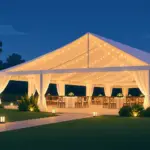
A marquee can look exceptional at sunset, then become difficult to use after dark if the lighting has been treated as an afterthought. Effective marquee lighting for evening events needs to do more than create atmosphere. It must help guests move safely, allow staff to work efficiently, support the event schedule and suit the scale of the space.
For a private celebration, that may mean warm lighting over dining tables and a clear path to amenities. For a school function, festival or corporate event, it may also mean illuminated entrances, service areas, emergency access and enough general light for a large number of people. The right plan starts with how the marquee will actually be used from daylight through to pack-down.
Start with the event layout, not the fittings
Lighting decisions are easier when the marquee floor plan is confirmed first. Consider where guests enter, where they queue, sit, eat, dance and access the bar or catering area. A single open marquee used for dinner and speeches has different requirements from a multi-zone setup with a stage, exhibition displays, food service and a busy public entrance.
Identify the areas that need functional light before choosing decorative options. Entrances, exits, stairs, ramps, walkways, catering stations, toilets, storage points and first-aid areas all need to be clearly visible. These spaces should not rely solely on decorative festoon lights or table candles.
For larger sites, the lighting plan should extend beyond the marquee walls. Guests still need a safe route from parking, drop-off points or surrounding event areas to the main structure. If the ground is uneven, wet or unfamiliar to visitors, adequate path lighting becomes a practical safety measure rather than a styling extra.
Build marquee lighting for evening events in layers
The most useful lighting plans combine several types of light. This gives organisers control over mood without leaving important areas underlit.
General lighting sets the base level
General lighting provides consistent visibility across the main marquee area. Depending on the structure and event style, this may include LED high bays, pendant-style fittings, batten lighting or carefully spaced festoon runs. It should allow guests to find their seats, read a menu and move between tables without glare or dark patches.
The required level depends on the activity. A seated wedding reception can operate with softer general lighting than a trade display, community dinner or presentation where people need to read printed material. If the marquee will host children, older guests or a high volume of foot traffic, err on the side of clearer visibility around circulation areas.
Task lighting supports staff and service
Bars, mobile kitchens, catering preparation areas, registration desks and production control points need brighter, more focused lighting. This is where poor planning often causes problems. A venue may look great from the guest area while bar staff struggle to see stock, caterers work in shadows or organisers cannot manage tickets and equipment.
Task lighting should be positioned to reduce shadows on work surfaces. It also needs to be practical for the crew during setup and pack-down, particularly where events run into the evening.
Feature lighting creates the atmosphere
Once the essentials are covered, feature lighting can give the marquee character. Warm festoon lighting suits relaxed weddings, birthdays and outdoor celebrations. Uplighting can add colour to marquee linings, walls, trees or structural details. Glow furniture can define a lounge space or add visibility around a bar area, while a well-lit stage helps direct attention to speeches, performances and announcements.
Feature lighting works best when it has a job to do. Use it to frame an entrance, distinguish a dance floor, highlight a focal point or lead guests through the space. Too many competing colours and effects can make a marquee feel busy, particularly when tables, flags, staging and signage are already part of the event design.
Match the lighting to the marquee and event type
A clear-span marquee, frame marquee and smaller pop-up structure all handle lighting differently. Ceiling height, roof material, internal linings, leg positions and access for installation affect where fittings can be safely placed. Lighting should be planned alongside the marquee structure, not added after the floor plan is locked in.
For weddings and private parties, warm white lighting is often the most flexible choice. It creates a welcoming feel, photographs well and can be adapted as the evening changes. Soft lighting during dinner can be followed by brighter dance floor or stage lighting once formalities are complete.
Corporate functions may require a more controlled approach. Registration, presentations, branded backdrops and dining areas should each have enough light for their purpose. Coloured lighting can support branding, but it should not make faces, printed signage or food difficult to see.
Public events need stronger consideration of crowd movement and operations. Markets, festivals, school events and council functions often involve multiple activity areas and a wider mix of guests. Lighting around stalls, ticketing, queue lines, food vendors and emergency routes should be consistent, durable and easy for staff to manage across the event period.
Plan power early
Lighting is only as reliable as the power behind it. Before equipment is selected, calculate the likely power demand for lighting alongside catering equipment, sound, staging, screens, refrigeration, mobile kitchen units and any other electrical hire. A site may have mains power available, but that does not automatically mean it has sufficient capacity in the right location.
Temporary power distribution should be planned to keep cables organised and protected. Cables crossing guest routes need suitable covers or alternative routing, while connections must be kept clear of wet areas and protected from weather. Outdoor events also need a contingency for rain, wind and changing ground conditions.
For larger events, professional setup is particularly valuable because lighting, power and event infrastructure need to work as one system. Adding equipment late can create avoidable pressure on available circuits, introduce cable hazards or delay the final setup.
Avoid common lighting problems
The most frequent issue is relying on one decorative lighting type for the whole marquee. Festoon lights may provide a pleasing overhead glow, but they are rarely enough for catering, access paths or large public spaces. Another problem is concentrating all light in the centre of the marquee, leaving entries and perimeter areas too dark.
Glare is also worth managing. Bright fittings aimed directly at seated guests can make dining uncomfortable, while poorly placed uplights can interfere with speeches and photography. Test the angle and intensity from the guest perspective, not only from the setup crew’s viewpoint.
Timing matters as well. Inspect the lighting at the time the event will run, where possible. A setup that looks adequately lit at 4 pm can feel very different at 8 pm, particularly on a rural, coastal or open public site with little surrounding light.
Coordinate lighting with the full event setup
Lighting is more effective when it is coordinated with flooring, furniture, staging and site access. Dark flooring may require more light around steps and changes in level. Table arrangements affect whether overhead fittings produce useful coverage. A stage needs enough front light for speakers to be seen, without washing out screens or distracting from projections.
This coordination also makes setup more efficient. Working with one event partner for marquees, lighting, furniture, staging, flooring and operational support reduces the risk of competing layouts, duplicated deliveries or equipment arriving without a clear installation plan. Central Coast Party Hire can help scale that support from a small celebration through to complex public event infrastructure.
Give the lighting plan a final after-dark check
Before guests arrive, walk the site as they will. Enter from the parking or drop-off area, follow the paths, locate the amenities, move through the marquee and stand at the bar, stage and exits. Check for shadows, glare, exposed cables and signs that cannot be read after dark.
A good lighting plan should feel effortless to guests. They should notice the atmosphere, not the equipment, while staff have the visibility and reliable power they need to keep the event running well. That final after-dark check is often the difference between a marquee that simply looks good and one that works properly all evening.
How to Organise Festival Seating Without Bottlenecks

A full seating area can turn from a crowd-management asset into a pinch point in minutes. Knowing how to organise festival seating means planning for more than chair numbers: you need clear sightlines, safe access, weather protection, accessible positions and enough flexibility to keep the event moving when conditions change.
Festival seating should support the programme, not compete with it. Whether you are planning a community concert, school event, food and wine festival, outdoor cinema or council celebration, the right setup gives guests a comfortable place to stay longer while allowing staff, performers and emergency services to work safely.
Start with the audience, not the chair count
The first question is not how many chairs will fit on the site. It is how many people are likely to sit down at the same time, and why. A headline act, awards presentation or ticketed performance usually needs a defined seating capacity. A day-long community festival may only need enough seating for families, older attendees and people taking a break between activities.
Review expected attendance, programme peaks and the likely length of each performance. If 1,500 people are expected across the day but only 400 will watch the main stage at one time, a 400-seat viewing area may be appropriate. If seating is first come, first served, allow for turnover and avoid presenting it as reserved unless you have a system to manage reservations.
Audience mix matters just as much. Family events need room for prams and carers. Corporate events may require more formal, aligned rows. Food-focused festivals benefit from casual table settings close to vendors, with separate viewing seating for entertainment. Tiered seating can be a practical option where sightlines are limited or a compact footprint needs to accommodate more guests.
Map the festival seating zone before selecting equipment
A site plan is the foundation of a workable seating layout. Mark fixed elements first: the stage, power routes, food stalls, bar areas, amenities, entry points, exits, first aid, production compounds and emergency vehicle access. Seating then needs to fit around those operational requirements.
Place the main audience area where guests can see and hear comfortably, but do not position it directly in front of a service route or close to noisy generators. Consider sun direction for daytime events. Guests facing west in late afternoon may struggle with glare, while unshaded chairs can become uncomfortable during a long programme. Marquees, umbrellas and shaded rest zones can improve comfort, but they must be positioned so they do not block viewing areas or pedestrian routes.
Ground conditions are equally important. Chairs placed on uneven grass, loose gravel or sloping ground can be uncomfortable and difficult to manage. Flooring may be needed for formal areas, walkways, accessible seating zones or ground that is likely to become muddy. For public events, inspect the site after rain as well as in dry conditions. The plan that works on a sunny site visit may not work after a wet week.
Allow space for movement and emergency access
Rows need aisles. Seating blocks need clear entry and exit paths. The surrounding area needs circulation space for guests who are not seated. These allowances are where many layouts fall short.
Avoid creating one large block with a single narrow way in and out. Divide bigger audiences into manageable sections with aisles that lead towards open circulation areas. Keep exits obvious and free of signs, bins, cables, furniture and queues. Your final layout should also preserve the access routes required by the venue, council, emergency services and event risk plan.
Do not rely on guests to keep routes clear once an event is underway. Use barriers, picket fencing, event flags or clear signage to define seating boundaries and guide the crowd towards the right entry points. This reduces confusion at peak times and helps staff identify when an area has reached capacity.
Choose seating that suits the festival format
The best seating hire depends on the event experience you are creating. Folding chairs are practical for large audiences because they are quick to place in rows, easy to reconfigure and suitable for performances, ceremonies and presentations. For a more relaxed atmosphere, combine chairs with wine barrels, dry bars and casual lounge-style settings in designated social areas.
Tables and chairs work well near food and beverage vendors, but they should not be treated as a substitute for audience seating. Dining guests tend to occupy tables for longer, particularly when shade is available. Plan the number of tables around expected dwell time, food service style and cleaning capacity, rather than simply filling spare space.
Tiered seating provides elevated viewing where a flat site would leave people looking at the backs of others’ heads. It is especially useful for music, speeches, demonstrations and screen-based programming. However, it requires proper positioning, safe access, suitable ground preparation and a clear operational plan. It should be supplied and installed by an experienced event provider, not improvised with temporary furniture.
For covered zones, ensure the marquee or shelter size accounts for chairs, aisles and accessible spaces, not just the seated footprint. A crowded covered area can become hot and difficult to enter or exit. Good ventilation, sensible spacing and multiple access points make a real difference.
Build accessibility into the layout from the beginning
Accessible seating should be integrated into the event plan, not added after the general audience area is installed. Provide stable, level locations with clear paths from arrival points, suitable sightlines and room for companions. Wheelchair spaces need to be positioned so guests are not left at the very back or forced into busy circulation routes.
Consider the full guest journey. Can a person using a mobility aid move from parking or drop-off to the seating area without crossing rough ground, steep slopes or crowded food queues? Are accessible toilets nearby? Is there an alternative route if the main path becomes congested? These details affect safety, dignity and the overall guest experience.
Where possible, include seating with backs and arms for guests who need additional support. A mix of seating types is often more useful than one uniform setup, particularly at public events with a broad age range.
Plan for queues, changeovers and late arrivals
The most effective festival seating plan accounts for what happens between acts. Guests leave, others arrive, rubbish builds up and staff need room to reset the area. If changeovers are short, keep the seating layout simple enough for quick checks and cleaning without moving large amounts of furniture.
For ticketed or high-demand sessions, establish how seating will been filled and monitored. A managed entry point can prevent people from saving large blocks of chairs or standing in aisles. If an area reaches capacity, staff need a clear message and a nearby alternative, such as a screen viewing area, standing zone or later session.
Allow enough room around the perimeter for event staff to move without cutting through rows. This is useful for assisting guests, removing hazards, responding to spills and directing people during an evacuation. It also helps performers and technical crews avoid audience congestion when moving between backstage and operational areas.
Prepare for weather and after-dark conditions
Outdoor seating is exposed to the elements, so build contingencies into the hire order and site plan. Shade is valuable in summer, but avoid creating covered areas that collect heat or obstruct airflow. In wet weather, a combination of marquees, flooring and covered walkways can protect key guest areas and reduce damage to the site.
When the programme runs into the evening, lighting becomes an essential safety requirement. Guests need to see aisles, steps, pathways, exits and changes in ground level. Lighting should assist movement without shining directly into the audience or interfering with the stage experience. Clearly lit signage and staff positioned at key access points will help late arrivals find seats with minimal disruption.
Wind also needs consideration. Secure signage, umbrellas and temporary structures correctly, and have a process for closing or adjusting exposed areas if conditions deteriorate. Equipment selection should always reflect the venue, forecast and event operating plan.
Work from one coordinated equipment plan
Festival seating rarely stands alone. It connects to staging, flooring, lighting, marquees, screens, fencing, tables, signage and site operations. Managing these elements through a single coordinated plan reduces clashes on delivery day and makes it easier to confirm that every item fits the available footprint.
Central Coast Party Hire can support seating layouts alongside the wider infrastructure required for community, corporate and public events. Early planning allows equipment quantities, delivery access, installation timing and pack-down requirements to be considered together rather than solved under pressure on event day.
Before finalising the plan, walk the site from a guest’s point of view. Follow the route from entry to seating, sit in the rear rows, check the view from accessible positions and imagine the area at peak capacity. The best festival seating feels straightforward to guests because the operational work has been done well before the first chair is occupied.